Living the Absurd: How It Shapes My Life

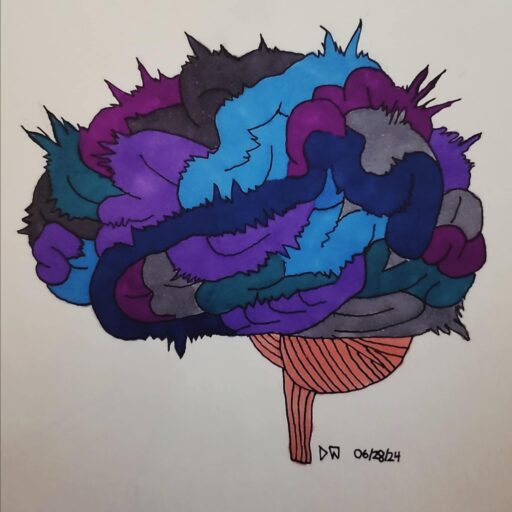
An absurd experience in my life was being diagnosed with bipolar disorder. At first, I thought I was simply dealing with anxiety and insomnia, but the diagnosis came out of nowhere, completely unexpected. It felt random, almost surreal, and it’s had a profound impact on my life ever since.

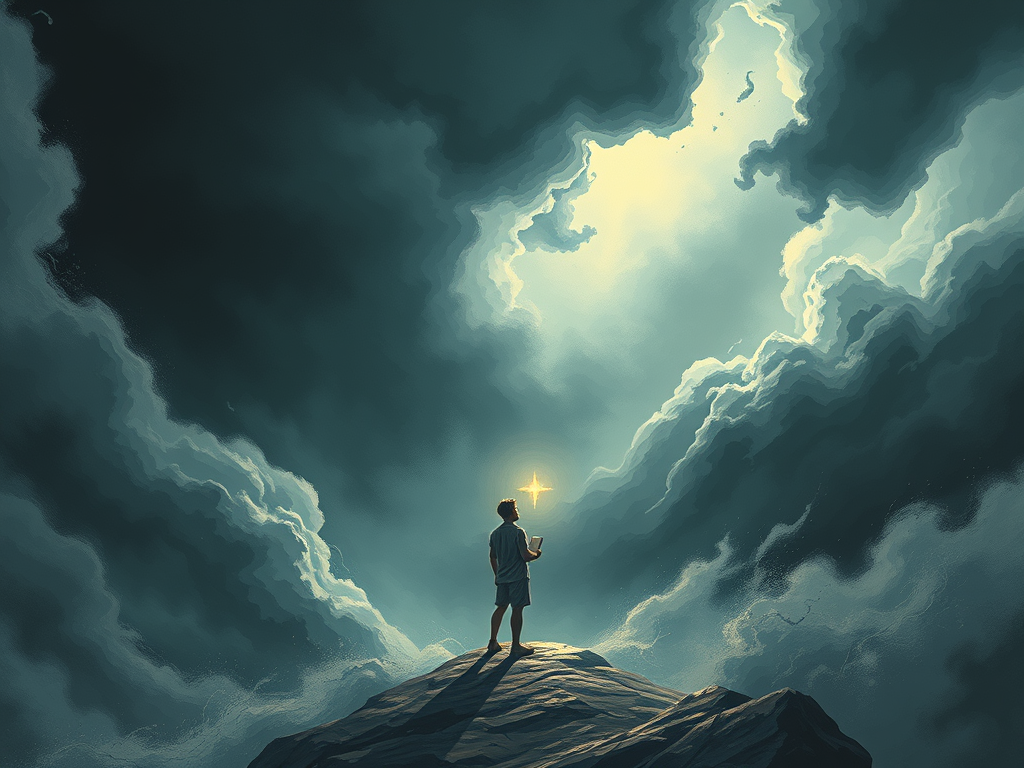
In absurdist philosophy, something is absurd when it lacks inherent meaning. The world itself, in its chaos and randomness, isn’t rational and doesn’t provide any transcendent purpose. Yet, as human beings, we’re driven to seek that meaning, to impose some kind of order on our lives. In facing the absurd, we have a few possible responses: suicide, religious belief, seeking power (as portrayed in Albert Camus’ play Caligula), or accepting the absurd without trying to resolve it.

For me, I would choose religious belief, because it offers meaning to things we feel should have meaning. Even without hard proof, religion provides answers and a sense of order that comforts us in a world that otherwise might seem purposeless. It’s the closest solution to satisfying our deep need for meaning.

Leave a Reply


Discover more from Poetic Bipolar Mind

Subscribe to get the latest posts sent to your email.

  • Epic and the Epic Hero

    Epic and the Epic Hero

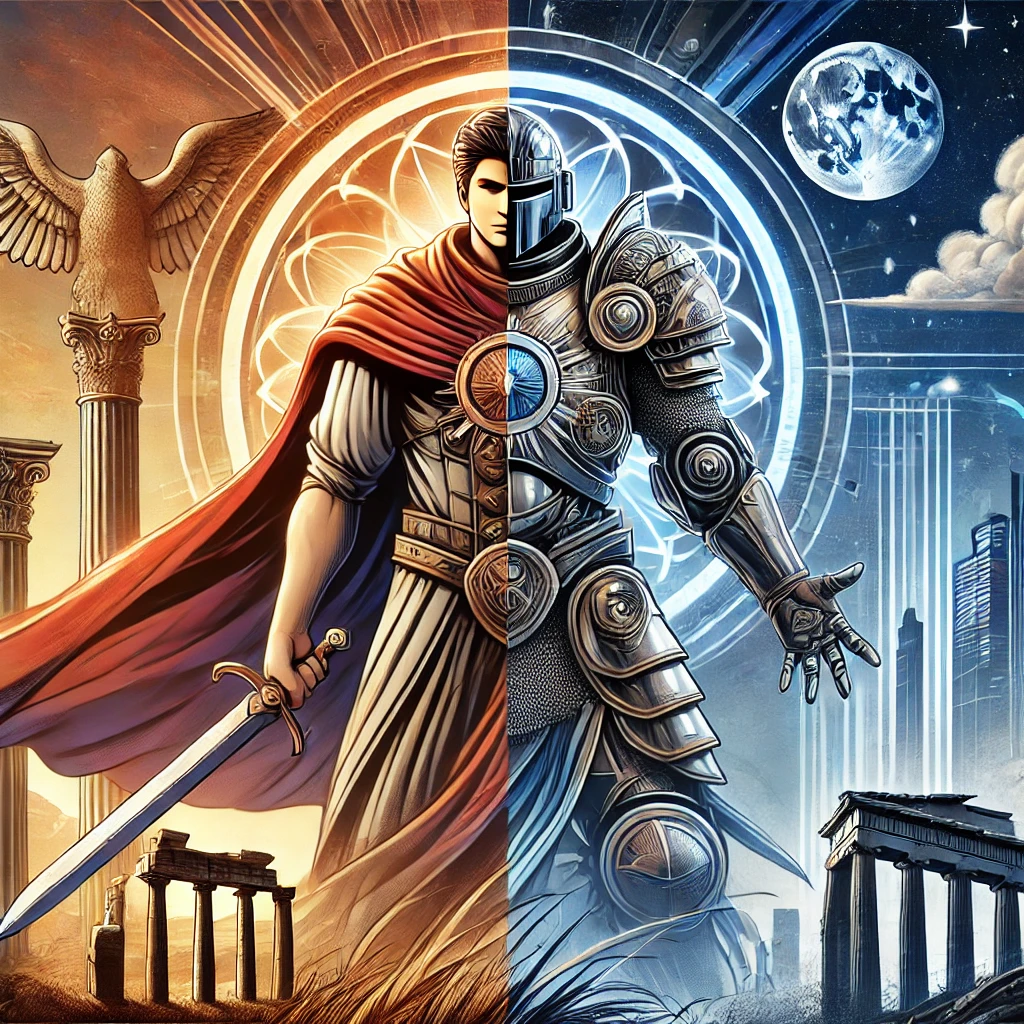
    The epic heroes Superman and Odysseus embody their cultures, showcasing traits like mysterious origins, extraordinary powers, vulnerabilities, and qualities essential for their heroic journeys and destinies.

  • Finding the Ones Worth the Battle

    Finding the Ones Worth the Battle

    Hurt is inevitable, but love is a choice. This piece explores the sacred act of discernment—knowing who deserves your battle and who does not. Through grief, loss, and resilience, we discover that only a rare few are worth suffering for—the ones who stay when everyone else leaves.

  • Who’s Fault Is It Anyways?

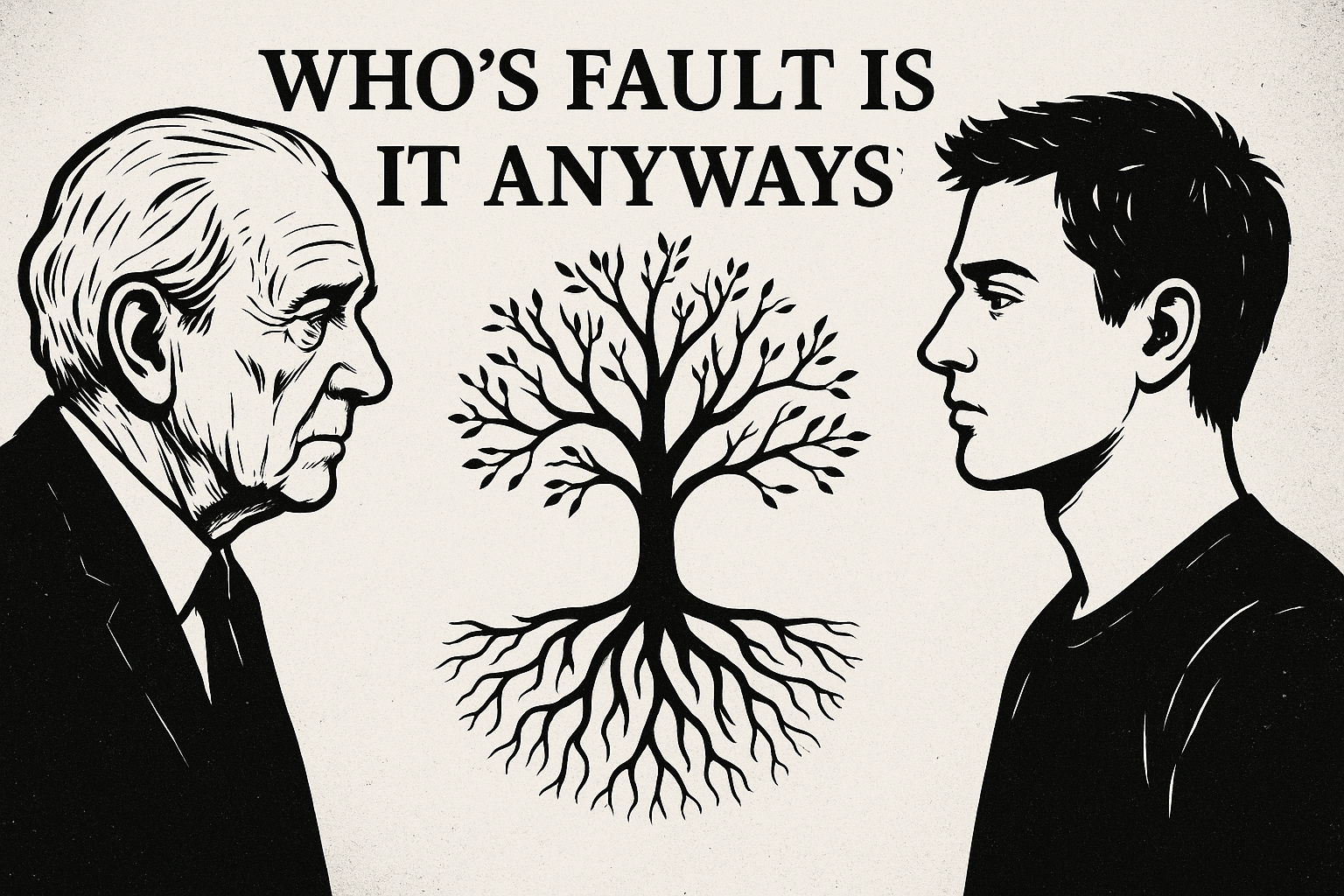
    Who’s Fault Is It Anyways?

    Generations often clash, with the younger blamed for today’s crises. Yet, the behaviors, values, and systems shaping us were inherited from those before us. From environmental damage to economic structures, legacies run deep. True progress requires reflection, dialogue, and shared responsibility between generations to build a more sustainable future together.

error: Content is protected !!