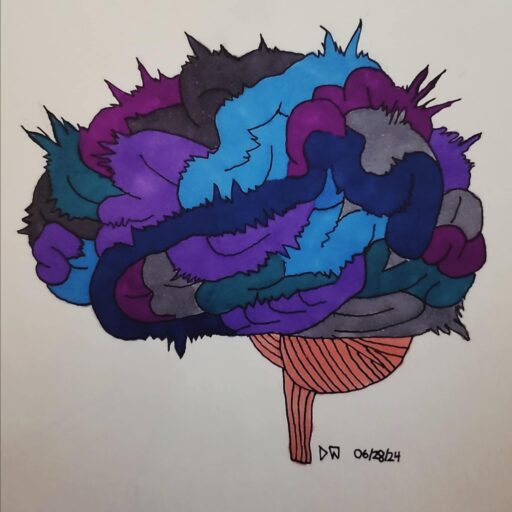

Living the Absurd: How It Shapes My Life

An absurd experience in my life was being diagnosed with bipolar disorder. At first, I thought I was simply dealing with anxiety and insomnia, but the diagnosis came out of nowhere, completely unexpected. It felt random, almost surreal, and it’s had a profound impact on my life ever since.

In absurdist philosophy, something is absurd when it lacks inherent meaning. The world itself, in its chaos and randomness, isn’t rational and doesn’t provide any transcendent purpose. Yet, as human beings, we’re driven to seek that meaning, to impose some kind of order on our lives. In facing the absurd, we have a few possible responses: suicide, religious belief, seeking power (as portrayed in Albert Camus’ play Caligula), or accepting the absurd without trying to resolve it.

For me, I would choose religious belief, because it offers meaning to things we feel should have meaning. Even without hard proof, religion provides answers and a sense of order that comforts us in a world that otherwise might seem purposeless. It’s the closest solution to satisfying our deep need for meaning.
Leave a Reply


Discover more from Poetic Bipolar Mind

Subscribe to get the latest posts sent to your email.

  • Adrift in Darkness and Doom

    Adrift in Darkness and Doom

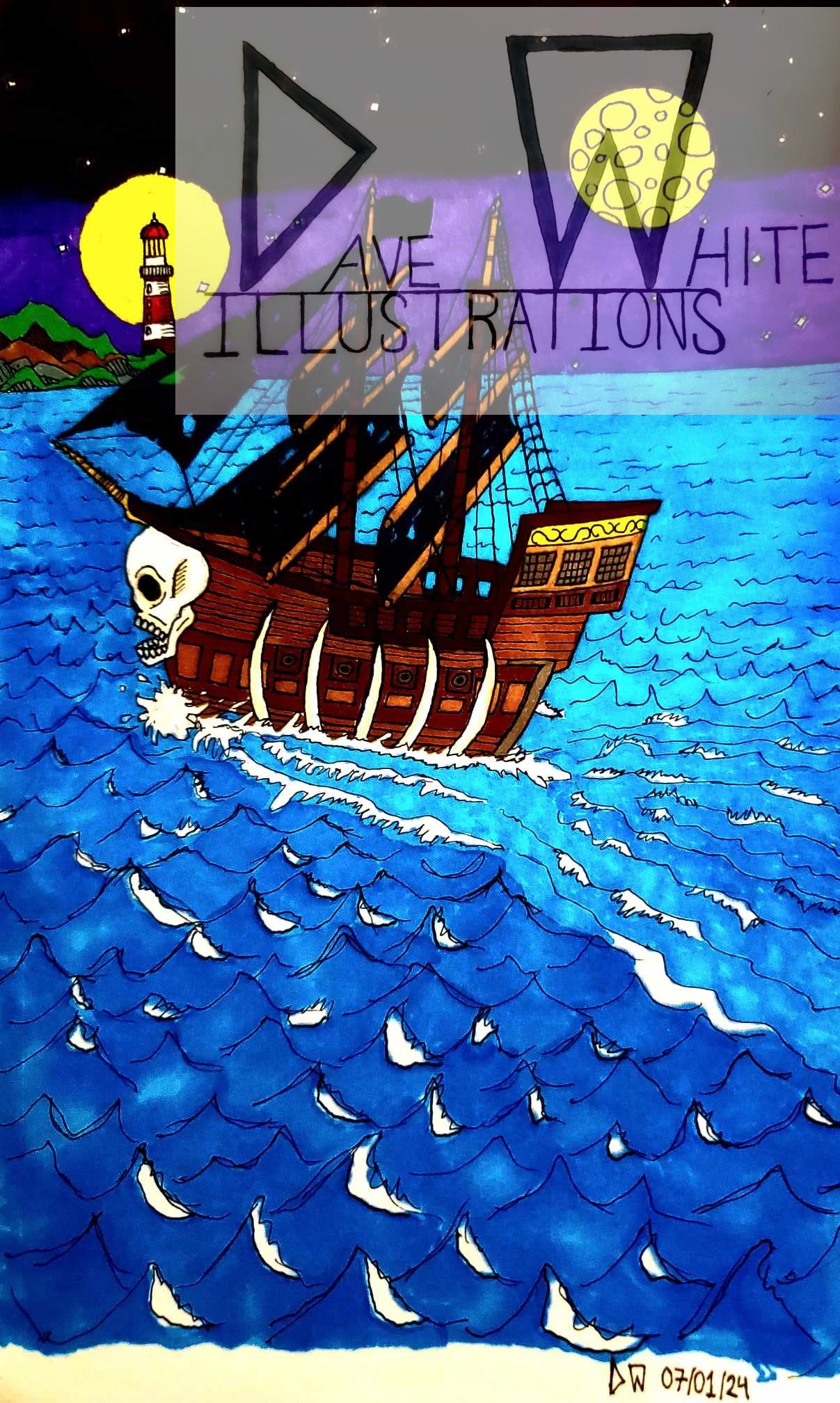
    Dave White’s Ghost Ship and Kiana Jimenez’s Night Ritual converge in a chilling meditation on death, solitude, and the unknown. The spectral vessel adrift on a darkened sea echoes the poem’s storm of fear and doom, merging art and verse into a haunting reflection of mortality and the spaces beyond.

  • Resilience Amid the Storm

    Resilience Amid the Storm

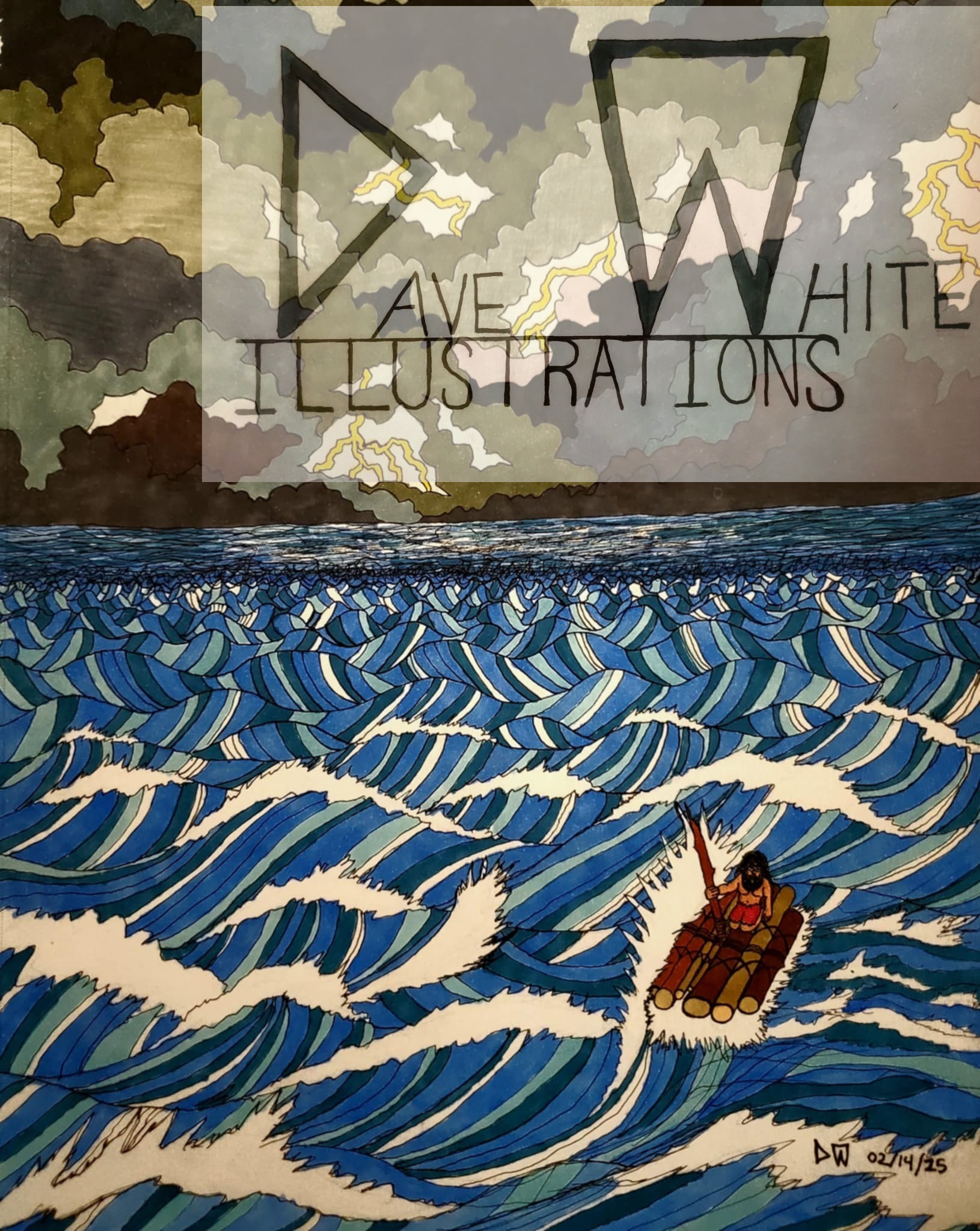
    “Raging Sea” explores the turmoil of emotional storms and the fragile strength we cling to as we drift between despair and hope. This reflection on resilience, healing, and inner survival invites readers into the quiet battle beneath the waves—a journey of surrender, endurance, and rediscovering the will to rise again.

  • Faith Beyond Ethics

    Faith Beyond Ethics

    Søren Kierkegaard’s Fear and Trembling reframes Abraham’s willingness to sacrifice Isaac as the paradox of faith: ethically indefensible, yet religiously transcendent. This story speaks not only to philosophy but to the human heart. At Poetic Bipolar Mind, it echoes our search for meaning where anguish meets belief.

error: Content is protected !!