Living the Absurd: How It Shapes My Life

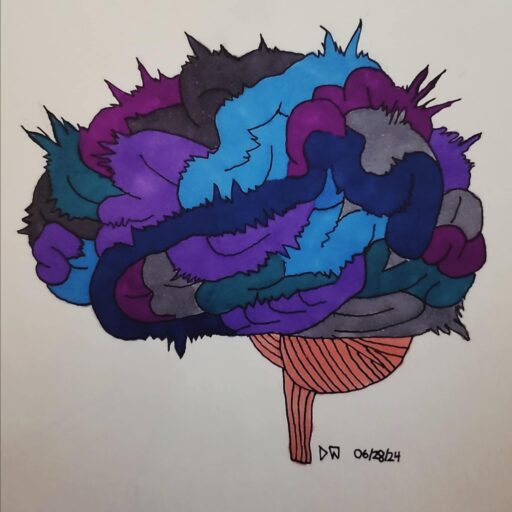
An absurd experience in my life was being diagnosed with bipolar disorder. At first, I thought I was simply dealing with anxiety and insomnia, but the diagnosis came out of nowhere, completely unexpected. It felt random, almost surreal, and itโ€™s had a profound impact on my life ever since.

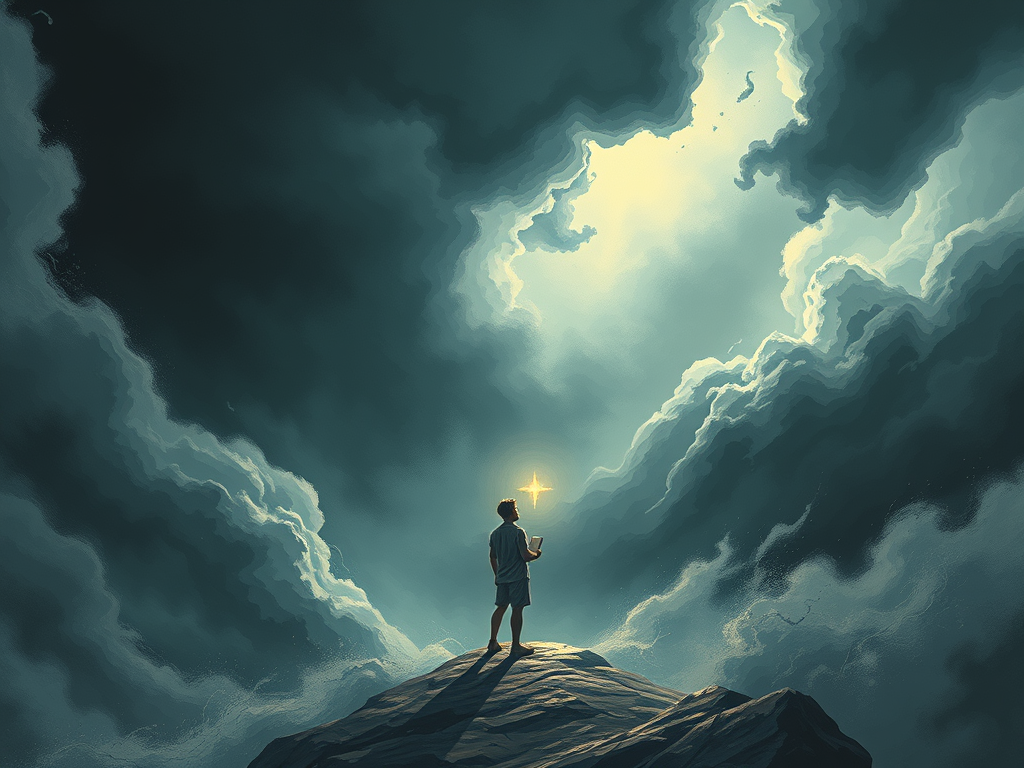
In absurdist philosophy, something is absurd when it lacks inherent meaning. The world itself, in its chaos and randomness, isnโ€™t rational and doesnโ€™t provide any transcendent purpose. Yet, as human beings, weโ€™re driven to seek that meaning, to impose some kind of order on our lives. In facing the absurd, we have a few possible responses: suicide, religious belief, seeking power (as portrayed in Albert Camusโ€™ play Caligula), or accepting the absurd without trying to resolve it.

For me, I would choose religious belief, because it offers meaning to things we feel should have meaning. Even without hard proof, religion provides answers and a sense of order that comforts us in a world that otherwise might seem purposeless. It’s the closest solution to satisfying our deep need for meaning.
Discover more from Poetic Bipolar Mind

Subscribe to get the latest posts sent to your email.

  • The Illusion of Freedom

    The Illusion of Freedom

    Dave Whiteโ€™s Willow and Kiana Jimenezโ€™s Binds reveal the paradox of freedom and captivity. The weeping willowโ€™s branches drape like chains, echoing the poemโ€™s lament of unseen binds. Yet both art and verse insist on resilience, reminding us that even in sorrow, a fragile thread of hope persists.

  • The Clockmakerโ€™s Daughter

    The Clockmakerโ€™s Daughter

    When the clockmaker built his daughter, the villagers whispered. Her laughter rang like cracked bells, her eyes ticked with restless dials. Then came the nights of backward clocks, haunted laughter, and screams in the dark. He built her to keep timeโ€”or so they thought. But she was made to end it.

  • Beyond Right and Wrong

    Beyond Right and Wrong

    This exploration of ethical theoriesโ€”spanning subjectivism, utilitarianism, divine command, and beyondโ€”connects philosophy to lived experience. Through history, examples, and reflection, we consider how morality shapes culture, faith, and personal identity. On Poetic Bipolar Mind, ethics becomes more than theory; it becomes a language for art, healing, and human dignity.

error: Content is protected !!