Creative Hub
-
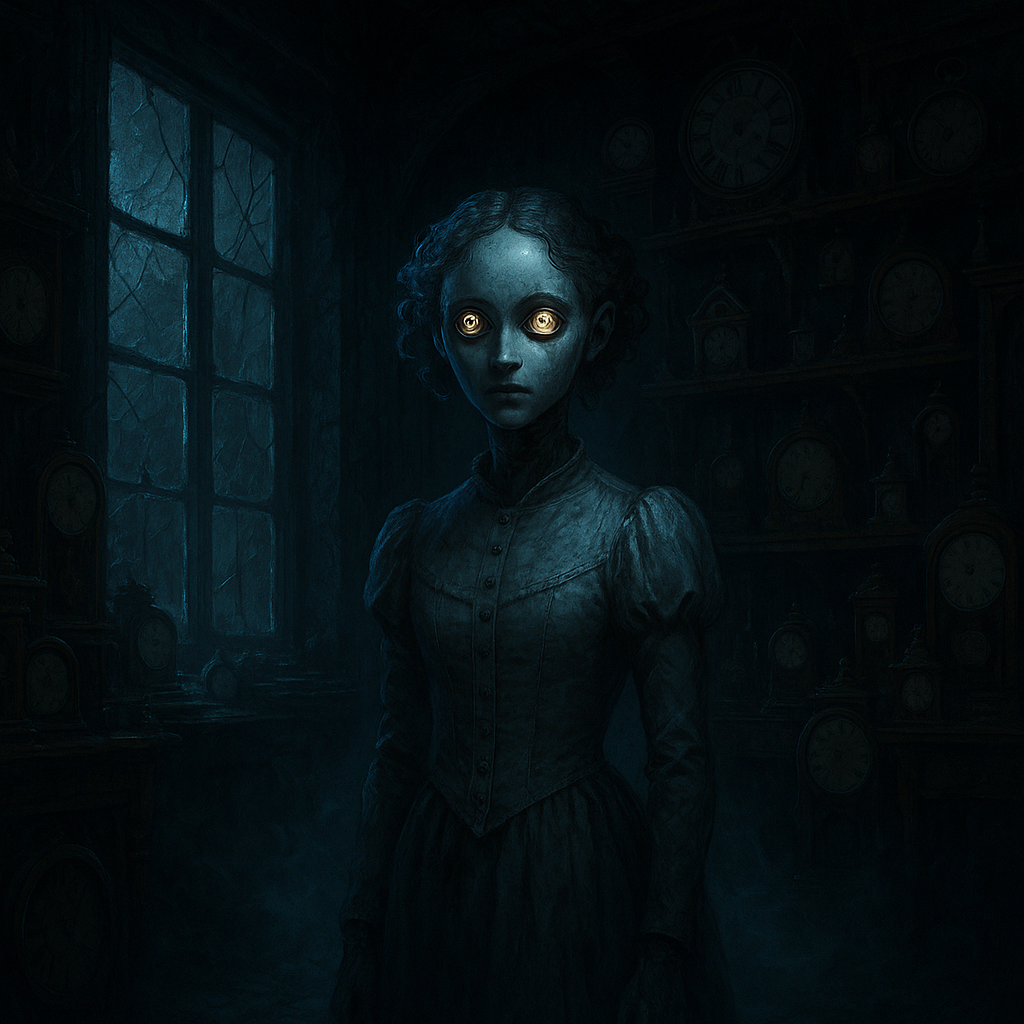
The Clockmaker’s Daughter
When the clockmaker built his daughter, the villagers whispered. Her laughter rang like cracked bells, her eyes ticked with restless dials. Then came the nights of backward clocks, haunted laughter, and screams in the dark. He built her to keep time—or so they thought. But she was made to end it.
-
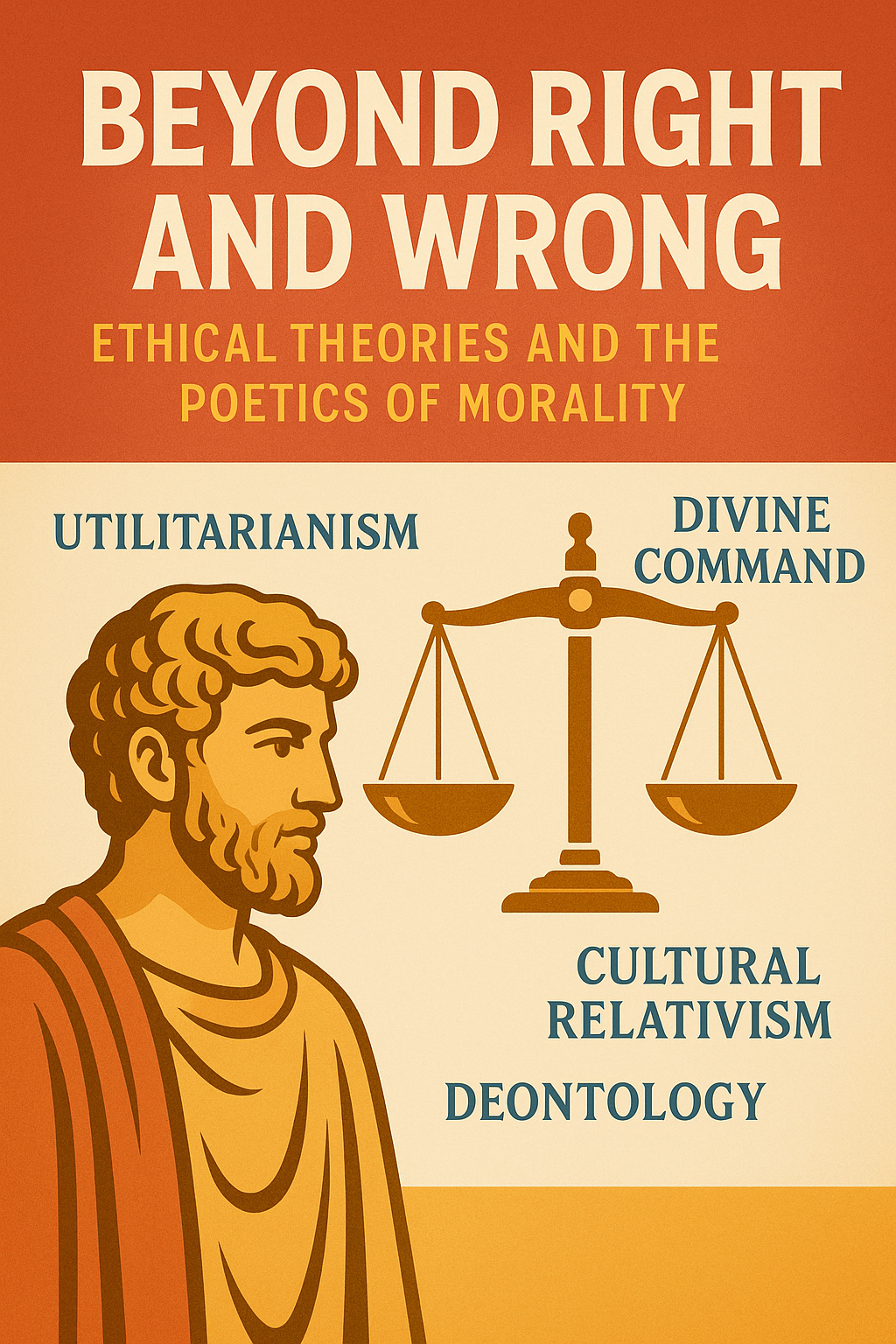
Beyond Right and Wrong
This exploration of ethical theories—spanning subjectivism, utilitarianism, divine command, and beyond—connects philosophy to lived experience. Through history, examples, and reflection, we consider how morality shapes culture, faith, and personal identity. On Poetic Bipolar Mind, ethics becomes more than theory; it becomes a language for art, healing, and human dignity.
-
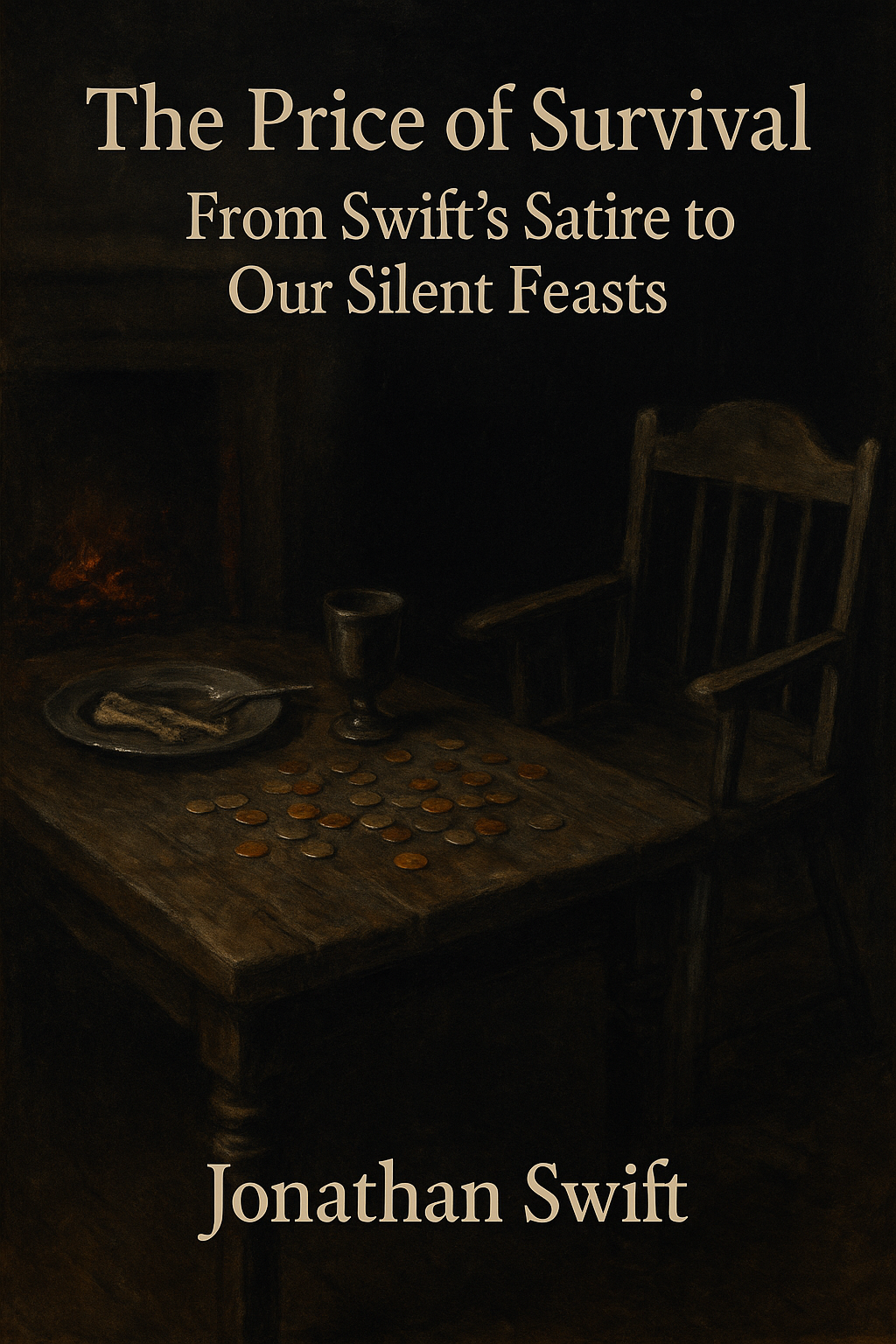
The Price of Survival
Jonathan Swift’s A Modest Proposal exposed a world already devouring its poor. Centuries later, the feast continues—more civilized, more hidden, but no less cruel. The Price of Survival reflects on satire, power, and the grotesque truths we live, turning grief and silence into resistance through the act of writing.
-
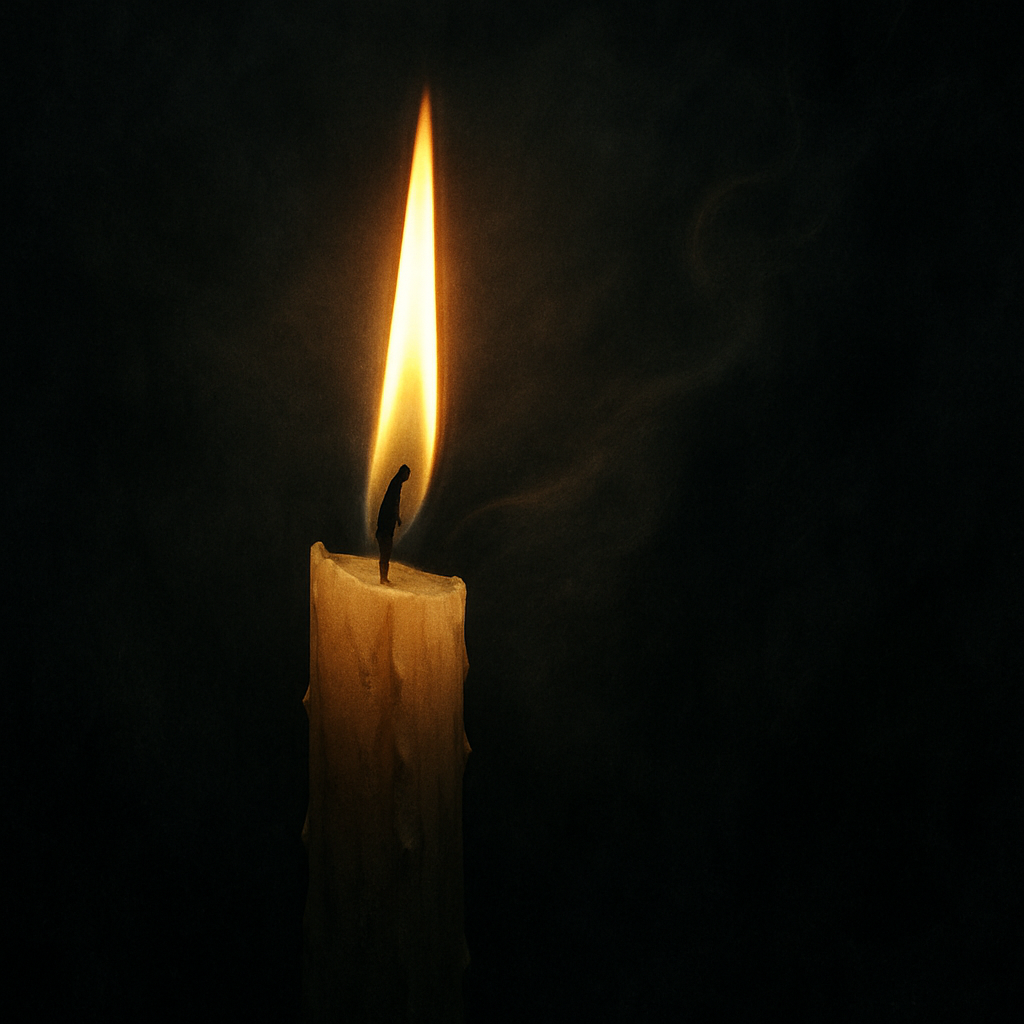
Rage, Acceptance, and the Light
Dylan Thomas’s Do Not Go Gentle into That Good Night demands defiance against death, yet it raises a paradox: is it better to rage or to accept? This reflection explores Thomas’s urgency, the ethics of resistance, and how Poetic Bipolar Mind embodies both rebellion and peace in the face of mortality.
-
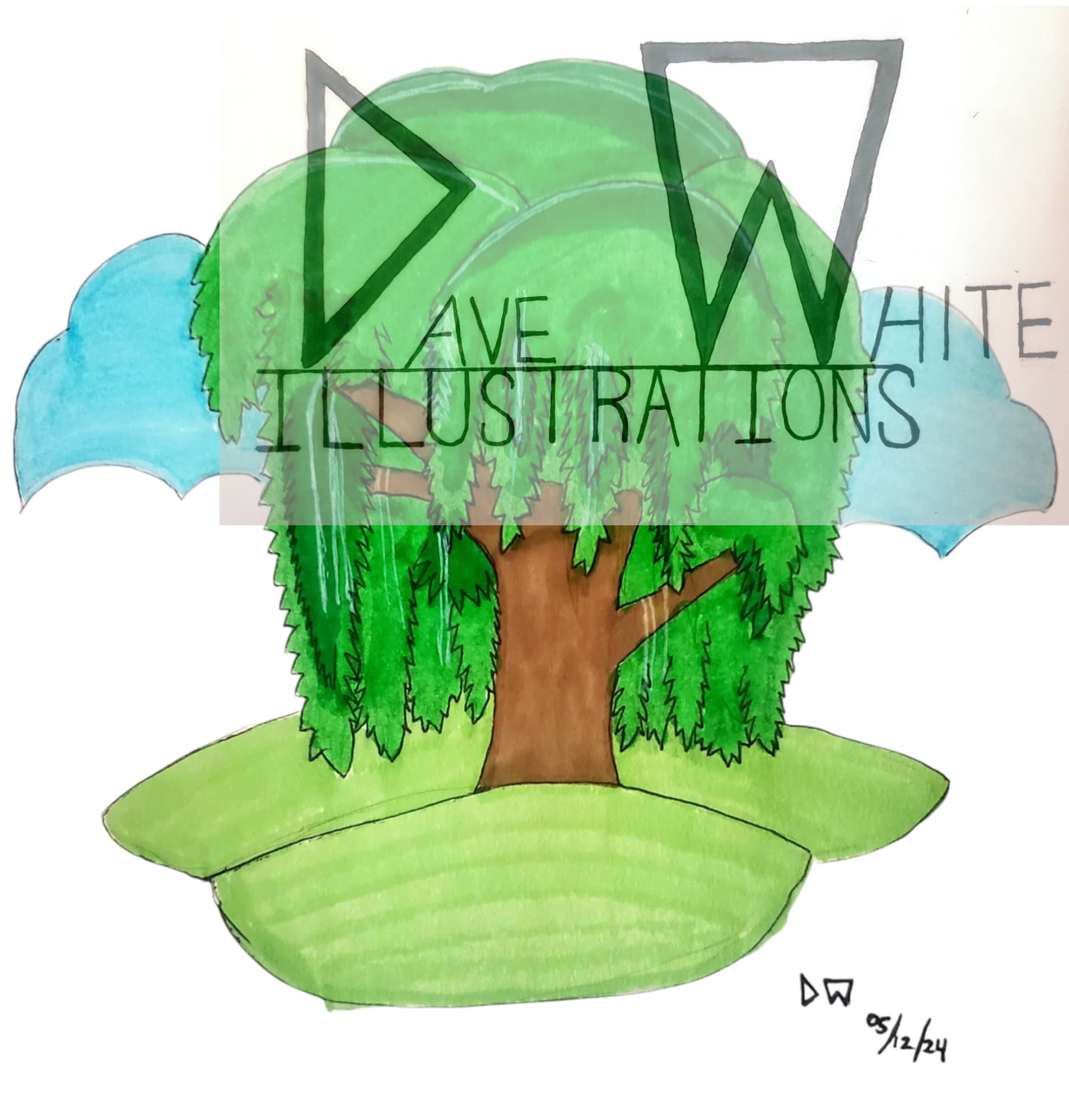
Binds
Ice burns through the chest, freedom becomes a cruel illusion, and binds linger even when the shackles are gone. Binds captures the ache of emptiness, the weight of choices, and the haunting question of whether escape truly exists. Yet, amidst despair, hope flickers faintly in the mist.
-
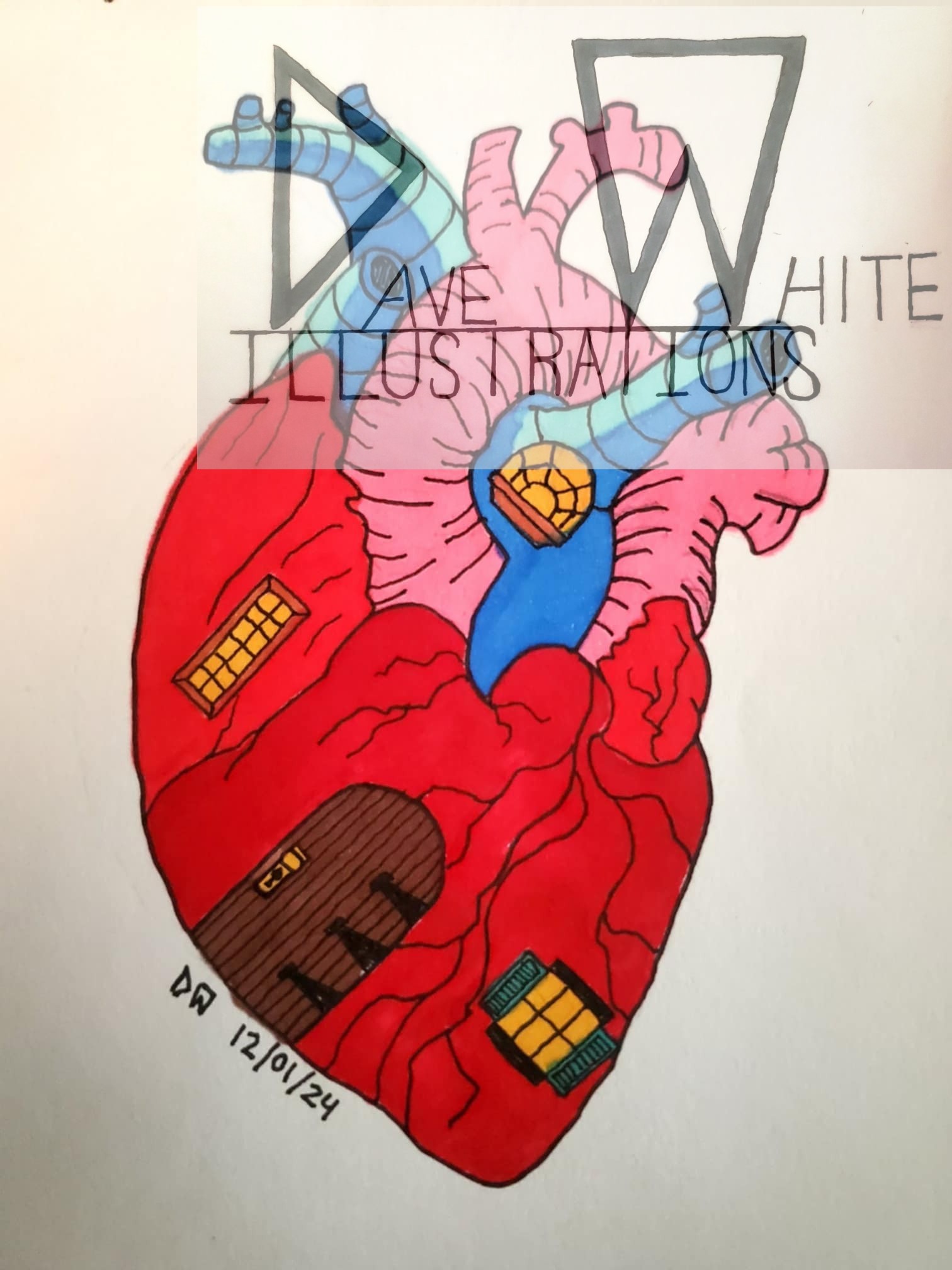
My Door’s Key
“My Door’s Key” opens the locked door to depression’s hidden battles. With raw honesty and vivid imagery, it reveals the weight of mental illness, the silence behind the smile, and the courage it takes to seek healing. A poem of pain, vulnerability, and the hope for connection.
-
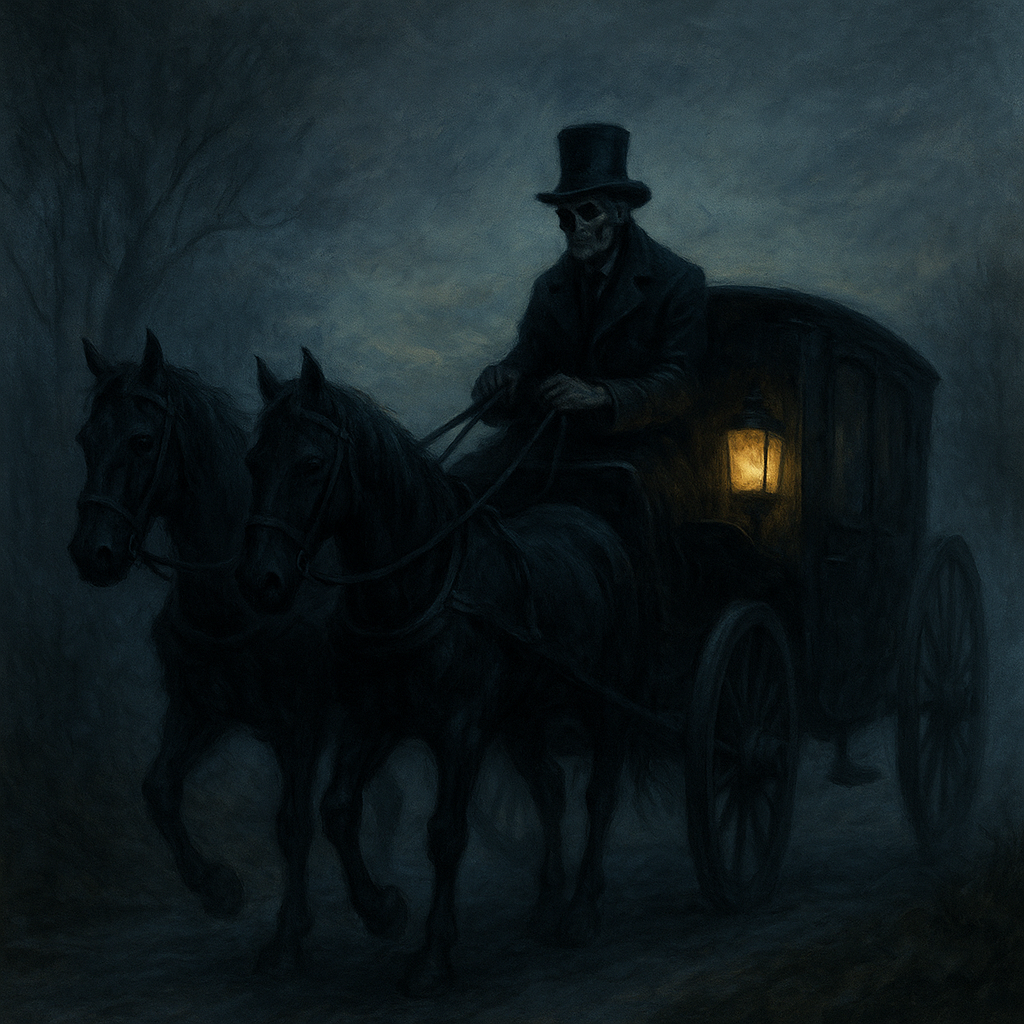
Courted By Eternity
Emily Dickinson transforms Death into a gothic gentleman suitor in “Because I could not stop for Death.” This haunting vision of mortality as civility and courtship resonates with the mission of Poetic Bipolar Mind: to find tenderness within terror, beauty within darkness, and meaning in life’s inevitable shadows.
-
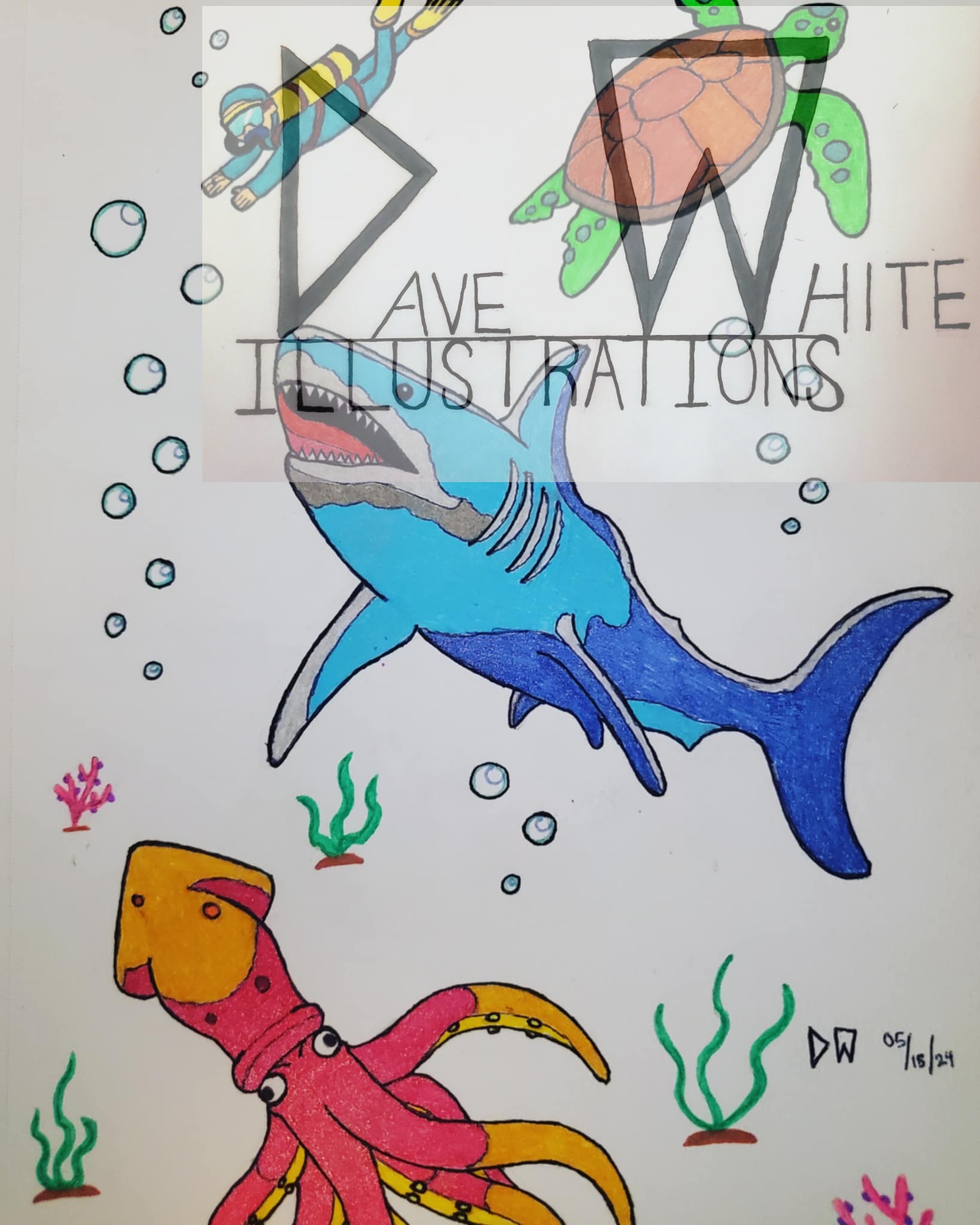
Vibrance Against the Weight of Numbness
Dave White’s Sea Creatures and Kiana Jimenez’s A World in Gray intertwine in a haunting contrast of vibrance and numbness. The lively ocean world collides with the poem’s grayscale despair, showing how depression can make even the most vibrant spaces feel isolating, adrift, and suffocating.
-
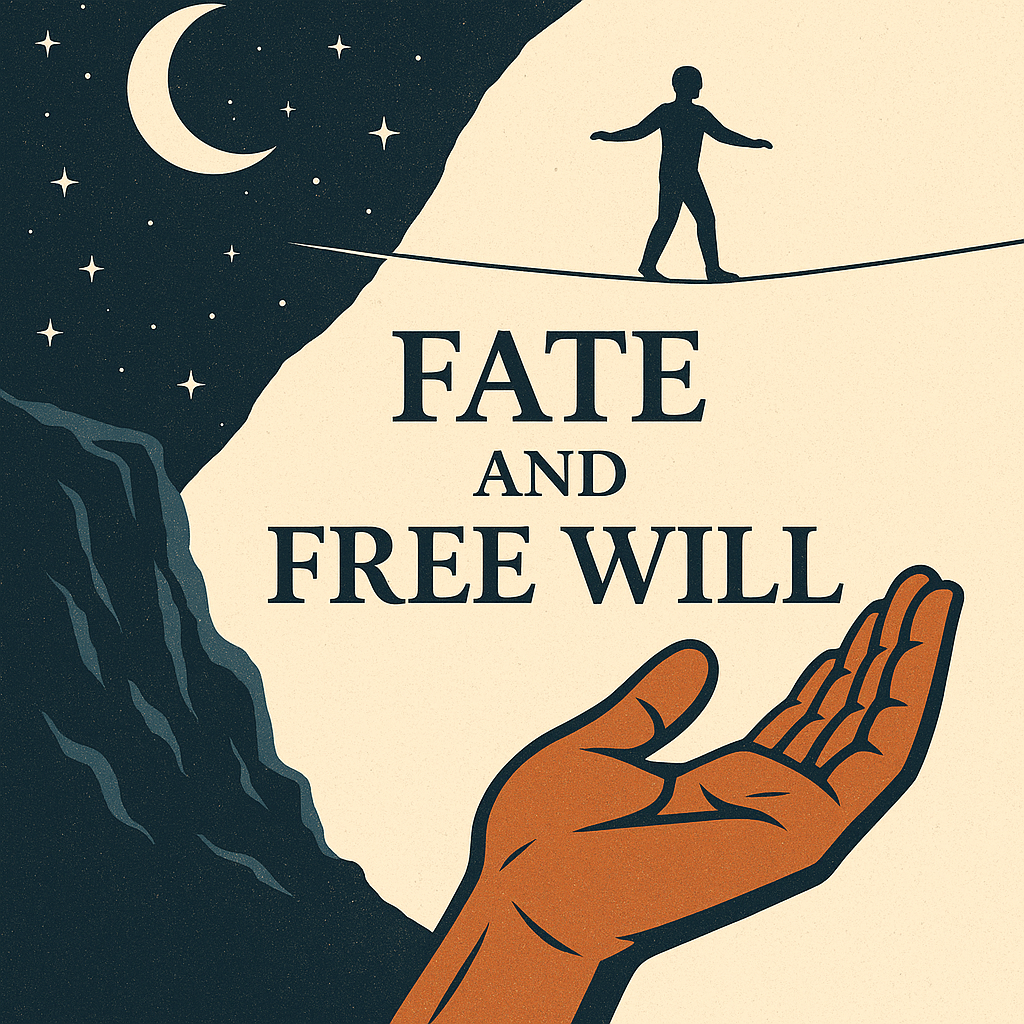
Fate and Free Will
Are our lives written in the stars or shaped by our own hands? This post explores the tension between destiny and free will, weaving philosophy, faith, and resilience. At Poetic Bipolar Mind, these questions echo as lived truths: choice as resistance, faith as anchor, and creativity as survival.
-
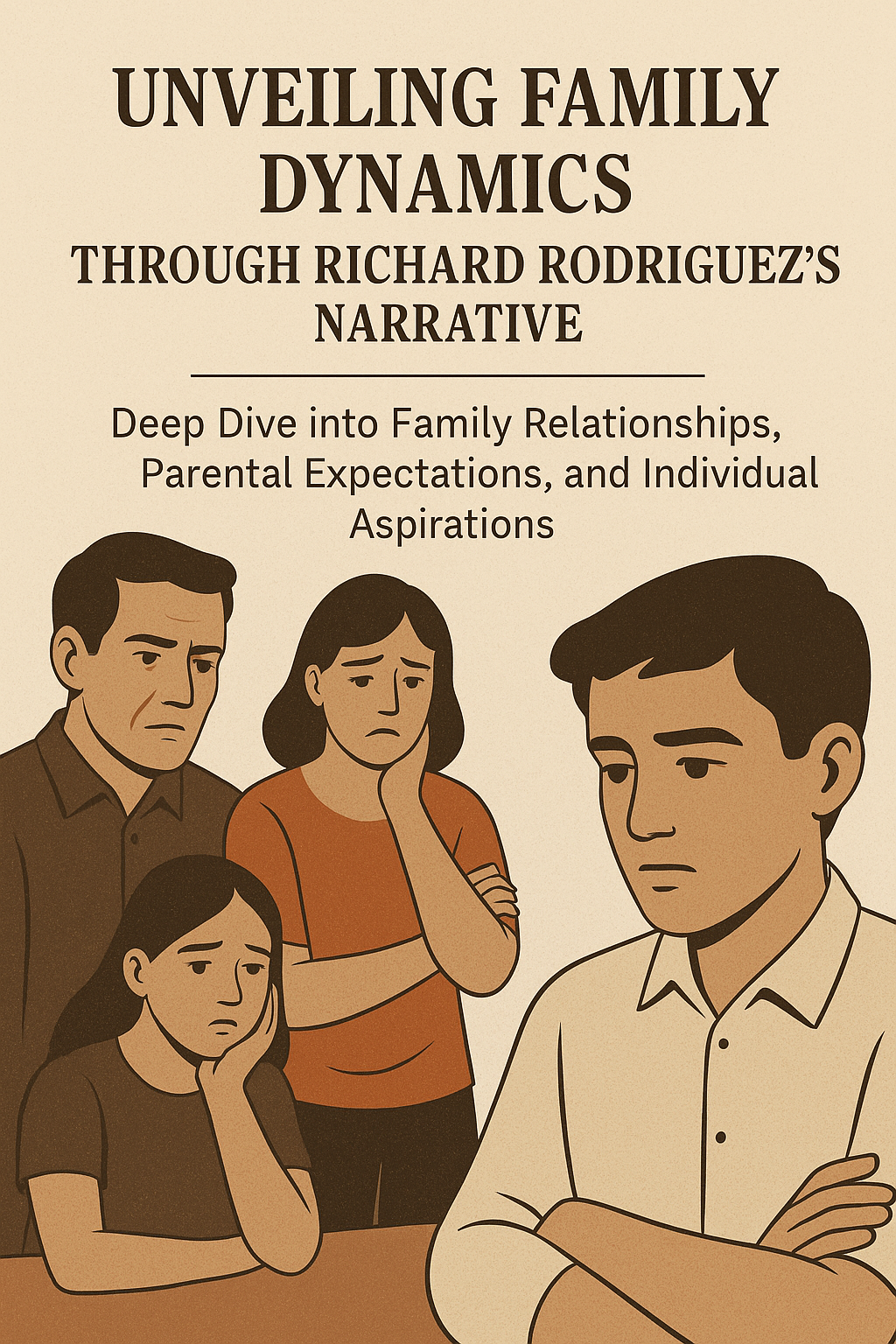
Unveiling Family Dynamics through Richard Rodriguez’s Narrative
This series explores the intricate family dynamics in Richard Rodriguez’s narrative, revealing the tensions between parental expectations and individual aspirations. Through themes of love, disappointment, and self-discovery, it examines how familial bonds shape identity and growth. A reflective journey for anyone seeking to understand the complexities of family relationships.
-
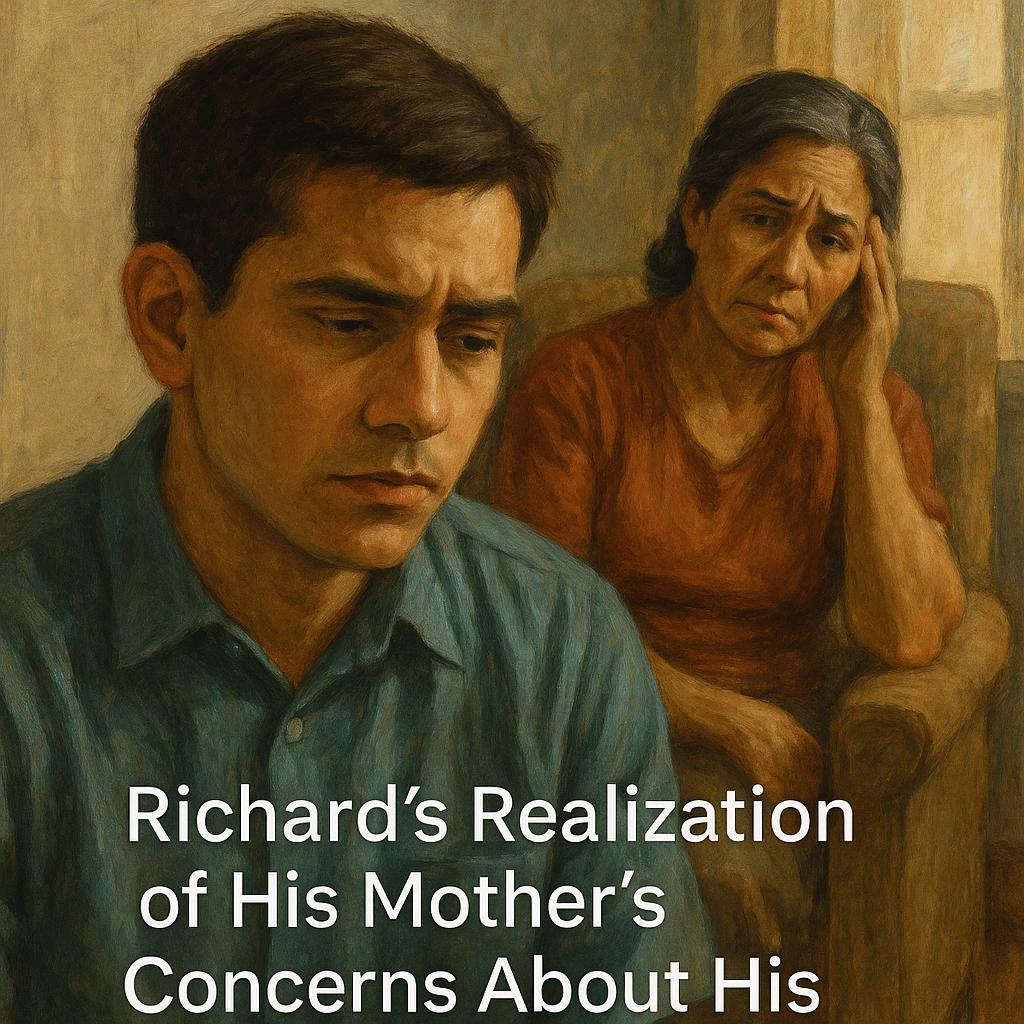
Richard’s Realization of His Mother’s Concerns About His Future and Adulthood
Richard Rodriguez reflects on his mother’s concerns about his future, realizing her disappointment is rooted in love and high expectations. Through comparisons with his siblings’ successes, he explores the weight of parental pressure, familial expectations, and his journey toward maturity, empathy, and self-awareness within the complex web of family dynamics.
-
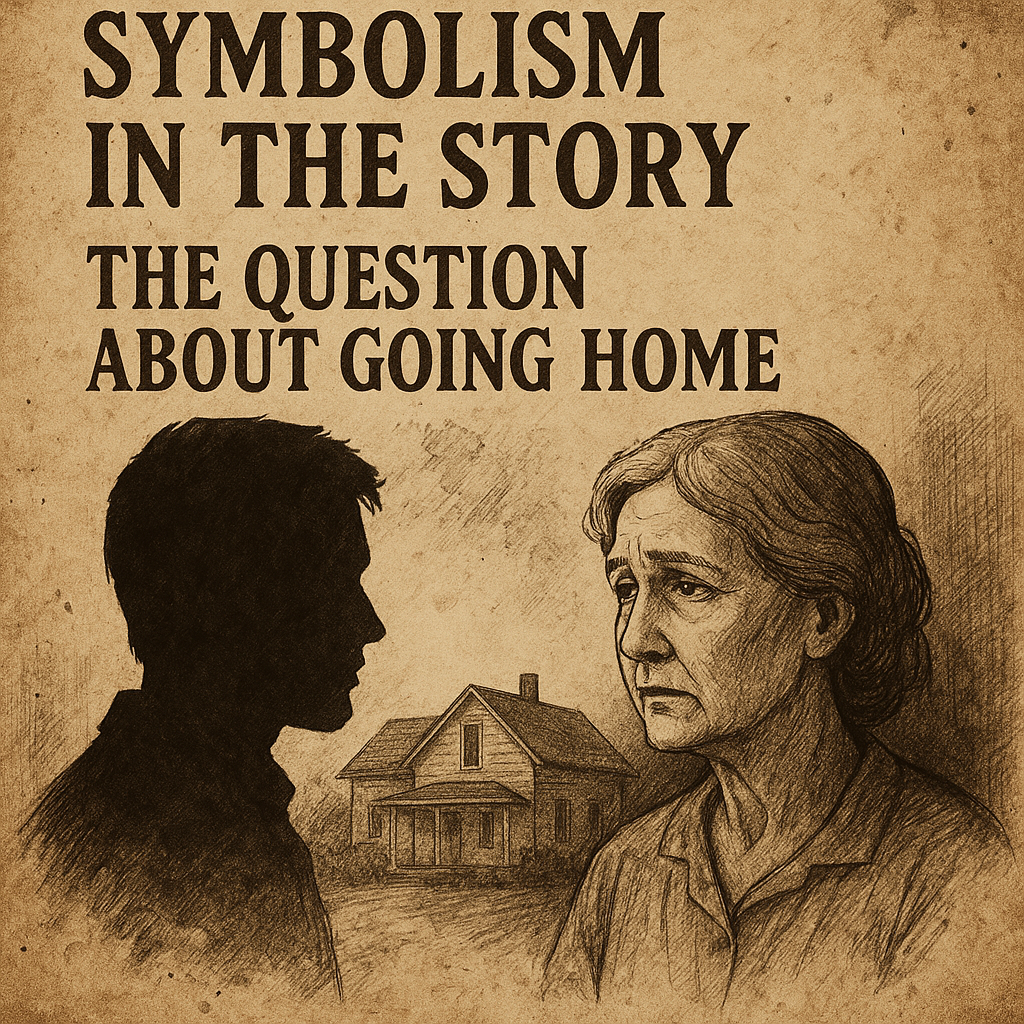
Symbolism in the Story: The Question About Going Home
Richard Rodriguez decodes the symbolism in his mother’s question, “When will you go home?” A simple query becomes a reflection of her anxieties about his adulthood, independence, and stability. Through this moment, Rodriguez explores the weight of parental expectations, cultural norms, and the universal struggle of transitioning into maturity.
-
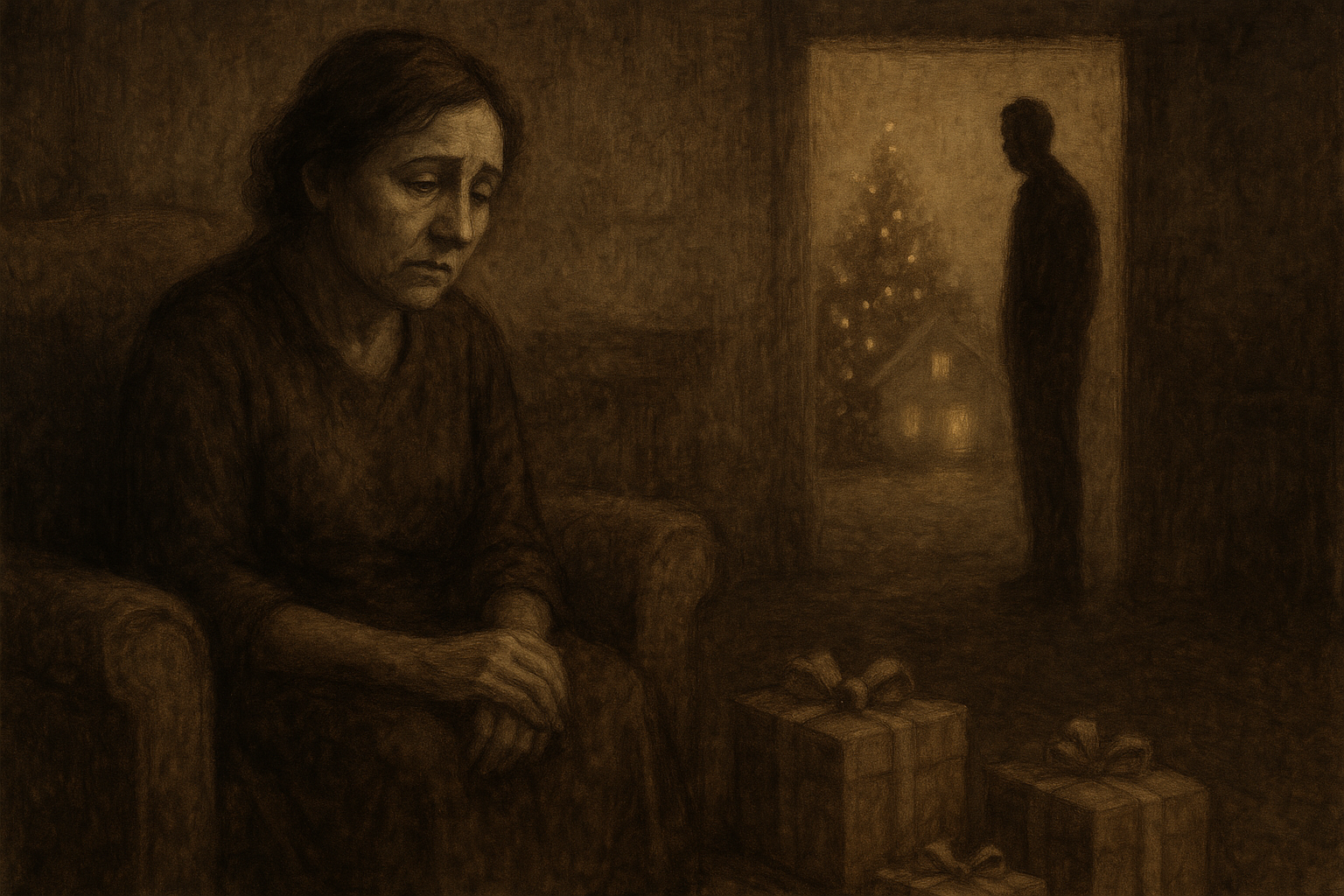
Rodriguez’s Mother’s Depressed State and Disappointment
Through narrative clues, Richard Rodriguez reveals his mother’s quiet sadness during a Christmas gathering. Surrounded by gifts yet emotionally distant, her faint smiles and contemplative silence expose the tension between outward festivity and inner disappointment. This subtle portrayal underscores the complexity of family dynamics and the emotional weight of unspoken expectations.
-
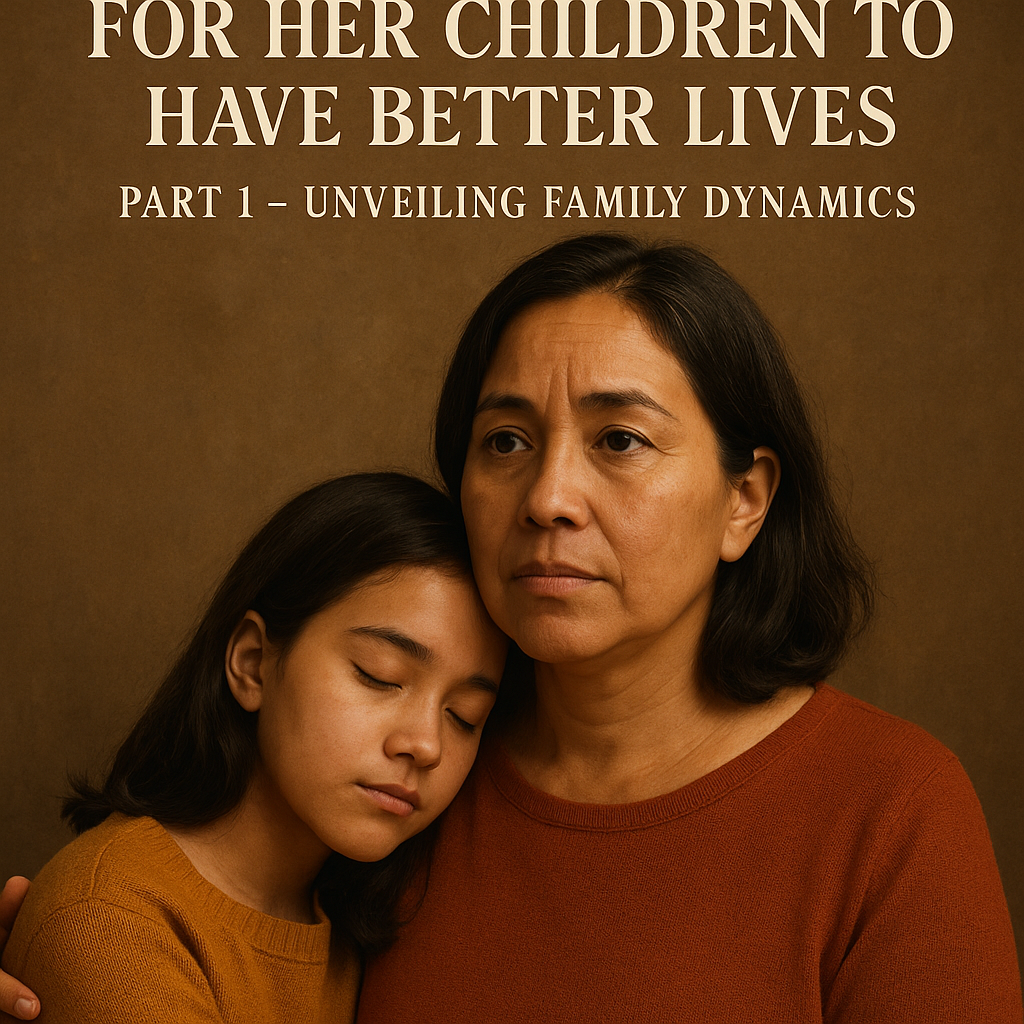
A Mother’s Desire for Her Children to Have Better Lives
A mother’s love carries both hope and burden. Richard Rodriguez’s narrative reveals the complexities of maternal desire for children’s success, the weight of expectations, and the delicate balance between guidance and individuality. This reflection invites readers to explore family dynamics, sacrifice, and the emotional ties that shape our lives.
-
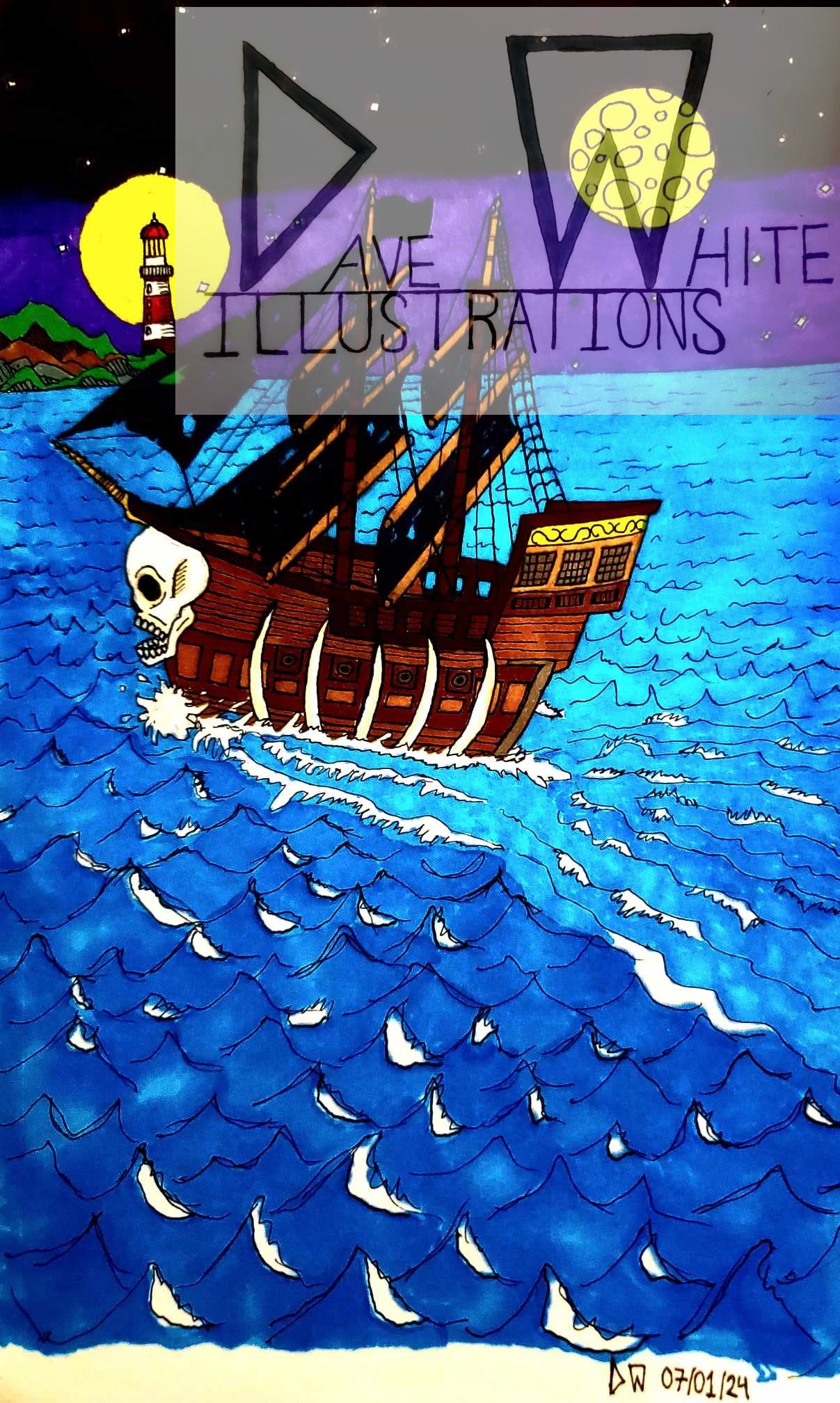
Adrift in Darkness and Doom
Dave White’s Ghost Ship and Kiana Jimenez’s Night Ritual converge in a chilling meditation on death, solitude, and the unknown. The spectral vessel adrift on a darkened sea echoes the poem’s storm of fear and doom, merging art and verse into a haunting reflection of mortality and the spaces beyond.
-
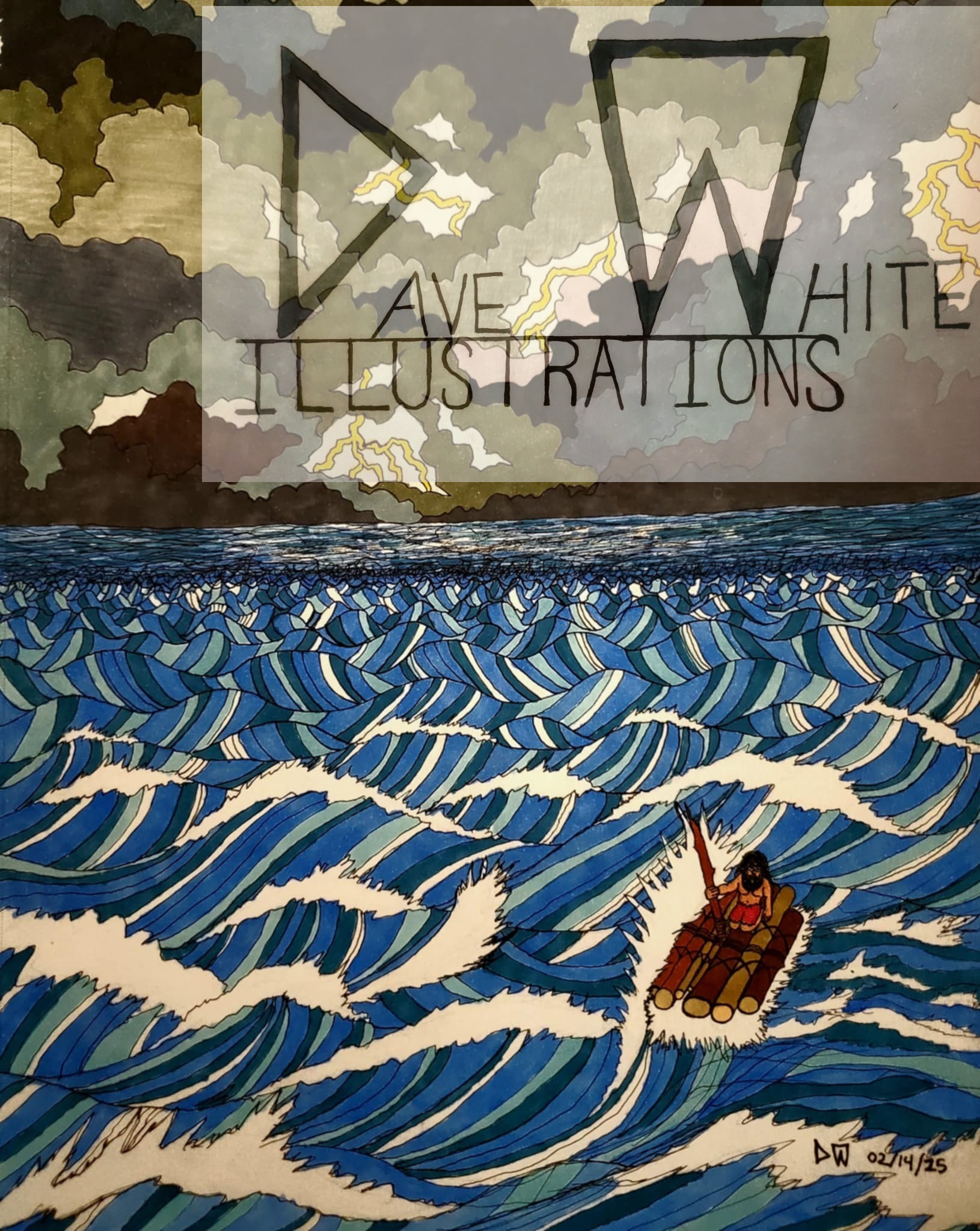
Resilience Amid the Storm
“Raging Sea” explores the turmoil of emotional storms and the fragile strength we cling to as we drift between despair and hope. This reflection on resilience, healing, and inner survival invites readers into the quiet battle beneath the waves—a journey of surrender, endurance, and rediscovering the will to rise again.
-

Faith Beyond Ethics
Søren Kierkegaard’s Fear and Trembling reframes Abraham’s willingness to sacrifice Isaac as the paradox of faith: ethically indefensible, yet religiously transcendent. This story speaks not only to philosophy but to the human heart. At Poetic Bipolar Mind, it echoes our search for meaning where anguish meets belief.
-
A World in Gray
“A World in Gray” unravels the weight of numbness and despair, painting a world stripped of color, joy, and light. Through stark imagery of storms, shadows, and hollow songs, the poem captures the haunting stillness of depression while hinting at the hidden struggle of longing for freedom and release.
-
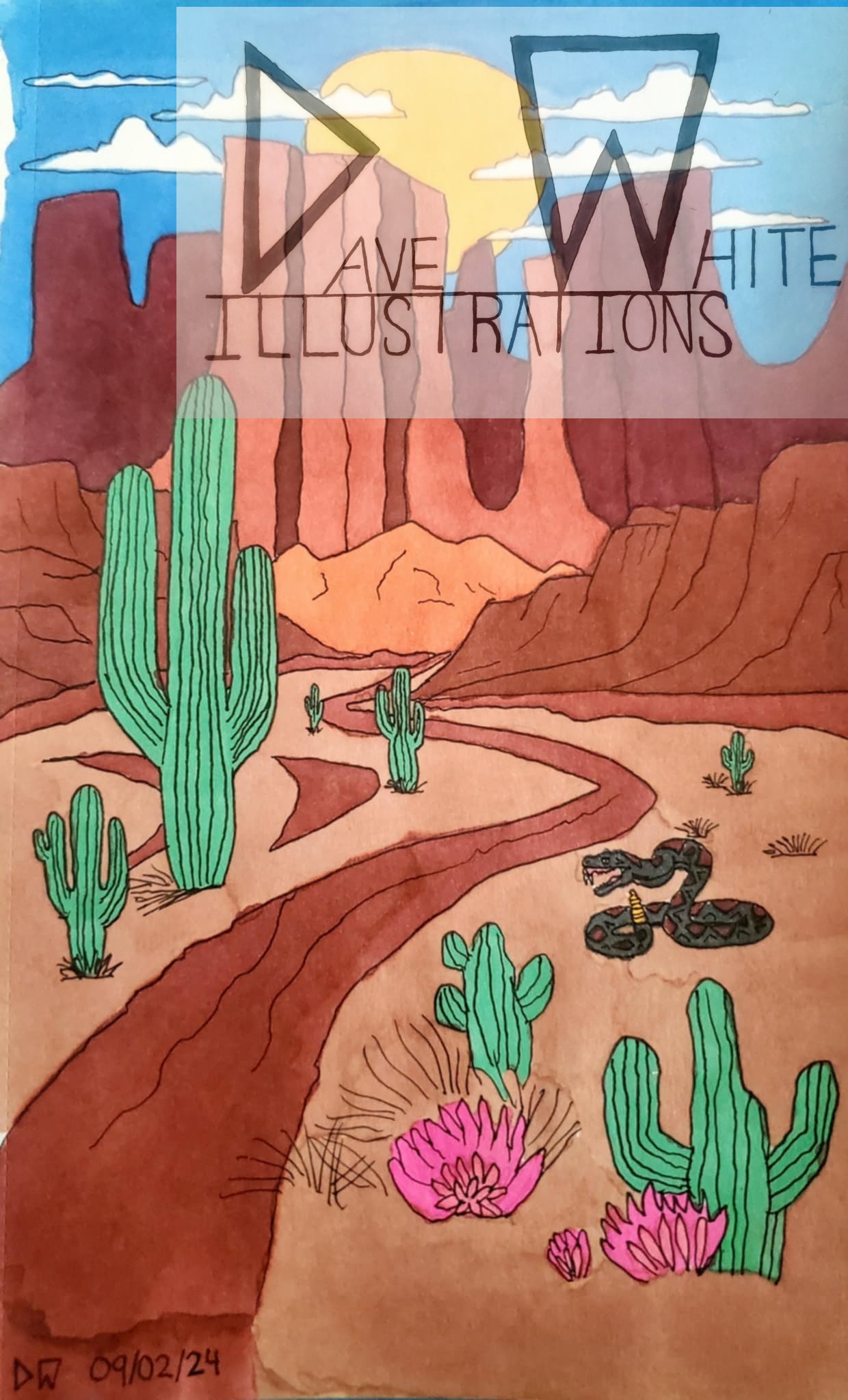
8:39PM
“8:39PM” unravels the silence of despair through haunting verses that echo betrayal, loss, and inner torment. With imagery of shadows, frozen nights, and broken vows, the poem embodies the raw voice of pain and truth, a dirge for a soul shackled by lies and desperate for release.
-
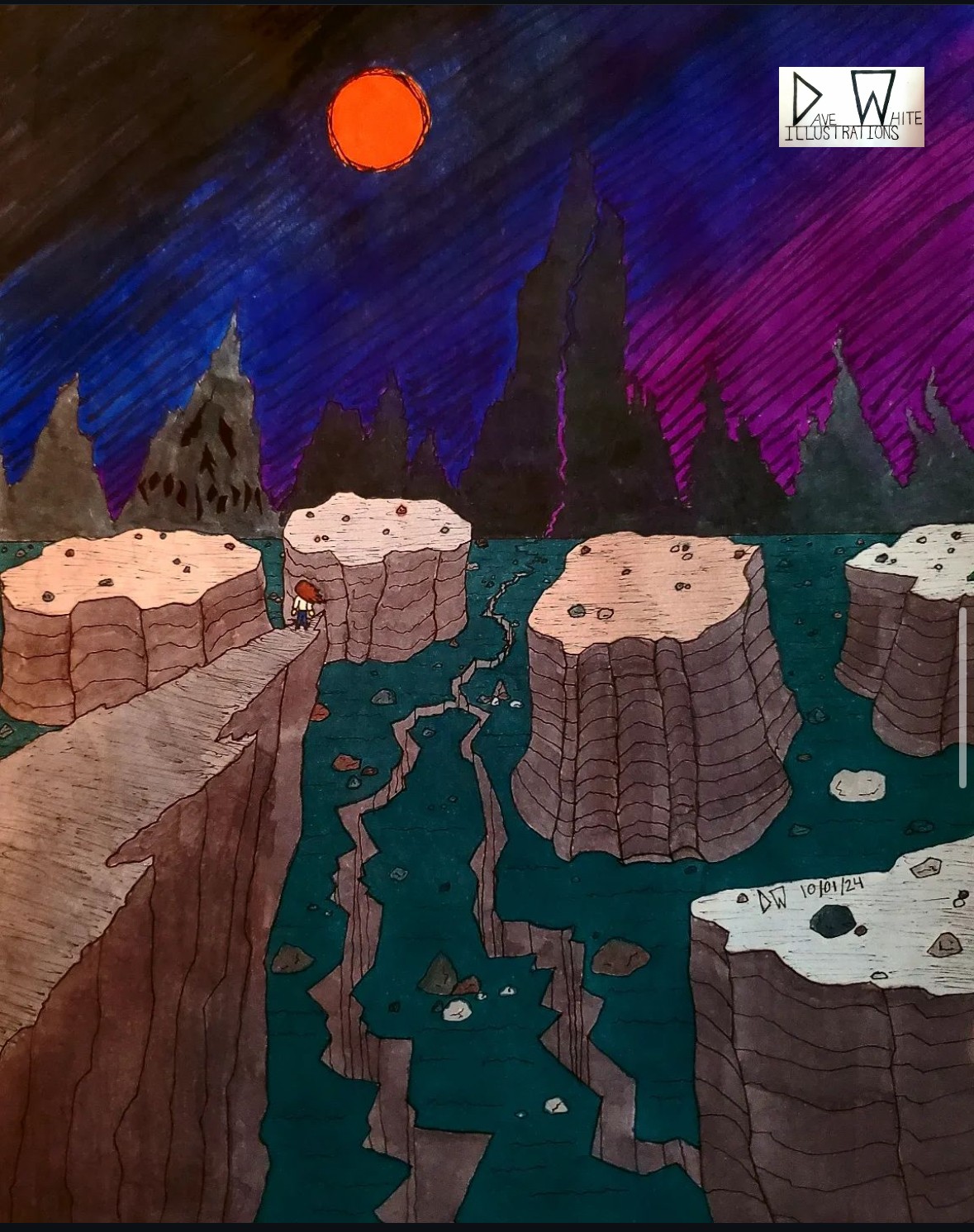
A World of Shadows and Silence
In Distant Planet and Darkness Descends, Dave White and Kiana Jimenez craft parallel visions of isolation and loss. The alien cliffs under a red sun mirror the poem’s suffocating night, both capturing the vast emptiness of worlds abandoned and the despair of hope extinguished, yet still lingering in shadow.